Search This Blog

Showing posts with label Cumin. Show all posts

Friday, 12 June 2015

This Summer's Top 3 Cooling Drinks

Summer certainly seems to have come early this year (not that I am complaining!) but this does mean we will be on the hunt for ways to stay cool and keep our body temperature regulated both during the day and at night.

In India where temperatures soar during the summer months, yogurt is often used to make drinks known as lassi's to help people stay cool. Yogurt is naturally cooling on both the digestive system and body generally and when added to water, it becomes a great hydrating drink to quench that thirst!

A Traditional Lassi is usually savory, seasoned with cumin, salt or cilantro or all of these things. I have put a more middle eastern twist on this first recipe with sumac, another spice known for its cooling properties.


Serves 2

1/2 cup greek yogurt (full fat please!)
100 ml cold water
1/4 tsp Spice Sanctuary cumin ground
1/4 tsp Spice Sanctuary sumac

Mix all ingredients in a blender and drink cold!


My second version of lassi is using watermelon, another cooling ingredient in itself and buttermilk. Buttermilk is essentially a fermented milk drink with acidity in its taste which actually benefits the gut as it acts like a probiotic. For a little exoticness, I've added rose water into the mix to further boost the cooling nature of this delicious drink! And for spice, I chose fennel seeds and fresh mint. Both of these work on the digestive systems, dispersing the heat away from there and also cooling the body down too. So much of our body heat and internal heat resides in our gut and it is important to cool this area down as much as any other.


Watermelon Mint & Rose Lassi

Serves 2

1 cup watermelon chunks
2   fresh mint leaves
1/2 tsp Rose water
200ml Buttermilk (or you could also use kefir as an alternative probiotic)

Blend all the ingredients together and enjoy cold over ice.

Last but not least, since the base of lassi is always dairy based, I would be remiss if I didn't create a recipe suitable for those with lactose intolerances. 

This Peach and Pistachio Lassi is quite rich and decadent and so easy to make.

Serves 1

100-125 ml cold Pistachio milk (made from pistachios and water, blended and strained - no need to soak)
1 Peach, cut into chunks with skin on
drizzle maple syrup to taste

Blend all the ingredients together and enjoy immediately!


There you have it, 3 easy ways to help you sip on something cool this summer and guaranteed to be patio pleasers too!


Monday, 20 October 2014

7 Amazing Warming Spices to Use This Winter!


Last Saturday, I made my second TV appearance on Canadian television which was very exciting!


This time, the theme was winter warming spices. I am all about versatility when it comes to everything, especially food and so what better way to showcase 7 amazing warming spices in a dish that  can then be deconstructed and made into at least 3 other dishes too! I have included the recipe below.

Here are the 7 spices I used and a brief description of why they will help you get through winter!

1. Cinnamon
This beautiful spice is known to create internal heat, improve blood circulation as well as lower blood sugar levels. Make sure it is True Cinnamon you are using though!
2. Cumin Seeds
Naturally high in Vitamin C, this earthy aromatic spice has been long used to help ward off colds and coughs. Cumin Seeds are also high in iron so helping to improve energy too.
3. Cardamom
My favourite spice of all time can be used in savory and sweet dishes. Excellent as a digestive aid and also helps to open up the respiratory channels. Add crushed pods to rice or grind the seeds and add to desserts, fruit salads, nut butters.
4. Red Chili
Chili, as you might expect, raises body heat but also helps with increasing metabolism and acts as an anti bacterial. Chilis are also naturally high in Vitamin A and C so another great winter spice!
5. Cloves
Cloves are known to improve blood circulation and ease digestion too. Great to steep in a tea or infuse into a rice or dessert dish. Remember my tip for good quality: because the volatile oils are predominantly in the heads, make sure the heads are intact and they should float vertically in warm or hot water.
6. Nutmeg
Nutmeg is extremely warming but needs to be used in small quantities and it should be tested for aflatoxin and ochratoxin at source if possible.
7. Nigella Seeds
Nigella seeds (aka Kalonji seeds) are universally versatile. Add into salad dressings, yogurt dishes, rice, roasted veggies or onto lean meats and into stews and curries and dips. It has the most powerful plant based antioxidant compound in it so one to have in your spice cupboard for sure!

Why not grind a little bit of each of the above spices for a unique winter Garam Masala!!

Warm Apple & Butternut Squash Salad

(serves 2) (Gluten Free)(Vegan) 


2 cups  Butternut squash, cut into 1” cubes 
1/4 tsp Spice Sanctuary Red Chili Ground
1 tsp     Spice Sanctuary Cumin Seeds
1/2 tsp Spice Sanctuary Nigella Seeds
1 Tbsp  Grapeseed or olive oil
2 Tbsp  Coconut Oil
8          
Spice Sanctuary Cloves      
1     Golden Delicious Apple, skin on but cut into small 1” cubes 
1 tsp    Spice Sanctuary True Cinnamon
1/4 tsp Spice Sanctuary Nutmeg Ground
1/2 tsp Spice Sanctuary Cardamom Seeds, Ground
1 Tbsp  Hemp Seeds
Pomegranate arils and parsley to garnish (optional)
Method:
1.     Preheat the oven to 400F. In a bowl, coat the squash with the red chili ground, cumin seeds and nigella seeds first before adding in the oil and mixing it all well. Season with a little sea salt before transferring onto a baking sheet and roasting in the oven for about 30 minutes until you can put a skewer through them with little effort. Make sure you turn them over every 10 minutes to ensure they do not brown too much.
2.     Meanwhile, in a pan, heat the coconut oil on a medium heat. Add in the cloves and allow them to simmer in the oil for a minute or so to allow the volatile oils to release. You should be able to smell the cloves at this point.
3.     Then add in the apple cubes and gently cook for a couple more minutes.
4.     Next, add in the remaining spices and continue to cook down until they just begin to soften, usually only another couple of minutes. There should be some residual spiced sauce left.
5.     Transfer the butternut squash and cooked apples into serving bowl. Sprinkle in the hemp seeds for a protein boost and toss well so that the sweetness of the apples melds with the heat in the squash. Drizzle over any remaining spiced coconut oil and garnish with some chopped parsley and pomegranate arils and enjoy immediately.

Other Deconstructed Dishes:
1.     To make a delicious heartwarming soup, add 1/2 cup of coconut milk and 1 cup of water into a blender together with the cooked apples, squash and hemp seed and blend until smooth. Heat again prior to serving.
2.     Use just the cooked apples for a smoothie or breakfast dish or cook down further to make a spiced apple pie filling or reduce even further for a sugar free applesauce.
3.     Add just the cooked squash to curries or stir fries. Or serve the squash as a side to any dinner.


Bon Appetit!

Monday, 25 August 2014

10 Back-To-School Spices & Herbs for Lunchboxes

Looking for inspiration to make the kids' lunchboxes more interesting and varied? Want to start introducing your kids to spices in their meals? Want to aid their digestion and boost the antioxidants in their meals?

We've put together just a handful of suggestions on how to incorporate spices more into your kids' diets and make their lunchboxes so delicious they'll come back empty every day!

Sandwich Spreads


Snacks


Drinks


  • Flavoured Water with fresh Mint & Cucumber
  • Mango smoothie with a hint of cardamom
  • Fresh pressed Pineapple Juice with black pepper
  • Orange juice mixed with a little ginger and nutmeg

There you have it.. at least 10 spices and herbs you can easily use to tasty up your children's lunchboxes!


Tuesday, 1 April 2014

Creating Moroccan Harmony in Your Kitchen

One of the most amazing gifts the spices in our cupboards gives us is the ability to go on a culinary journey around the world right from our kitchen! This weekend, I hosted a dinner party and the theme was Morocco! Although the food was themed, the preparation and ingredients used all had another common theme: they can be used in and for so many other dishes.

The harmony of flavours created from cumin, coriander, chili, mint, cinnamon, garlic, orange flower water, rose water and nuts is quintessentially Moroccan but why just use them for this when there is a whole world of food and dishes to explore too!

Eggplant Boats

We started with an eggplant dish that I created using the Spice Sanctuary Moroccan Harmony Spice Blend. Just 3 Tablespoons of the blend mixed with some garlic, honey, lemon juice and a little oil and voila! A marinade you can use on almost anything! Try on steaks, lamb, as a salad dressing...


Harissa, Tagine and More!

Our mains consisted of one of the very first recipes I ever created - a chickpea and butternut squash tagine. This was accompanied by Harissa shrimp and a divine nutty rice dish cooked in a tagine which our friends brought!


This was the first time I made Harissa and again, I quickly realized just how versatile this paste can be too! You can use this as a hot and fiery pasta sauce, as a flavouring for soups, in place of store bought Ketchup too....

For my version of a Harissa paste, click here! 


For the other recipes mentioned, it's a tease but you'll have to wait for the cookbook :)


Monday, 19 November 2012

Improving Digestion with Spices

Now the Holiday Season is upon us, we need to be extra vigilant about taking care of our gut and digestive system. Here are three commonly used spices that have been long used to aid digestion, together with some tips on how to use them in easy every day ways. As always, the quality and frequency of use is paramount in seeing if these spices help in the way they have traditionally been used for. For Coriander, Fennel and Cardamom, the more volatile oil content there is, if they have been hand harvested and the higher the grade (respectively), the more potent the spices will be and if organic, the better they will be in taste and for our bodies.

CORIANDER


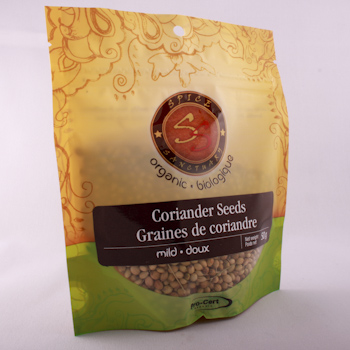
Did you know that approximately 85% of Coriander Seeds is in the form of various volatile oils, two of which (linalool and gernayl acetate) are antioxidants and digestive aids. Among other things, coriander seems to work as an anti-spasmodic, laxative, stomach lining protector and to alleviate bloating. 

Since the seeds contain most of the oil, it is better to buy the seeds and then grind them to ensure you capture as much of their goodness as possible. 

Here are 5 easy ways to incorporate Coriander seeds more into your daily diet or after meals:

1. Create a zesty seasoning in your peppermill with one part mixture of Malabar or Tellicherry black pepper and half part our coriander seeds.
2. Garnish lightly roasted and crushed coriander seeds to carrot, lentil or root vegetable soups.
3. Excellent  when a little ground coriander is added to any tomato dish: try it in a pasta sauce or curries.
4. Add a few lightly crushed seeds to your nut or trail mix for a lemon layer to your healthy snacks!
5. Add an equal part of ground coriander to ANY dish where you are using ground cumin.


FENNEL


Fennel seeds and powder both have significant anti-inflammatory properties which is what is thought to help relax the lining of the stomach and intestines and aiding in digestion.  Excessive use of fennel when pregnant should be avoided. While both Fennel and Coriander are thought to be useful aids for Chrohns disease or Irritable Bowel Syndrome, Fennel is often used in gripe water as an effective ingredient to alleviate colic.

Here are 5 easy ways to incorporate Fennel more into your daily diet or after meals:

1. Steep 1/2 tsp of the seeds in boiling water for a digestive tea.
2. Make a seasoning rub of equal parts fennel seeds, cumin seeds, brown mustard seeds, nigella seeds, lightly roast and grind for use on leaner proteins like pork or lamb.
3. Add 1/8 tsp of fennel powder to your tomato based pasta sauce.
4. Combine 1/8 tsp fennel powder with 1/4 tsp turmeric and paprika. Mix in a little heated butter and use as a spooning sauce over steamed fish.
5. Make an after dinner mint by rolling 1/4 tsp fennel seeds, 1/8 tsp ground cardamom seeds inside one fresh mint leaf and chewing on it after dinner.

CARDAMOM


Cardamom contains a volatile oil called cineole which, apart from being an antioxidant, is also thought to contain anti-inflammatory and anti-spasmodic agents which work together to provide digestive aid for a variety of complaints such as bloating, stomach cramps and gas. 

Here are 5 easy ways to incorporate Cardamom more into your daily diet or after meals:

1. Add 1/4 tsp of ground cardamom seeds to your morning smoothie, tea, granola
2. Sprinkle a little over root vegetables before roasting
3. Mix 1/4 tsp into some yoghurt and fruit for a great after dinner dessert.
4. Steep 1/8 tsp or a couple of whole pods in boiling water for a few minutes as an after dinner tea.
5. Add a little to your cinnamon for a more exotic touch to your baking or other uses.

Why not try our Inspirit Taster Collection to make a home made digestive tea from some of these and other of our organic spices?

Saturday, 21 July 2012

Let's Chat about Chaat

As I prepare for our  Indian Street Food booth (with a healthy twist of course!) at the Canmore Folk Fest, it is only appropriate to about the most common form of street food in India - the Chaat!

Chaat (meaning "taste" or "lick") is the umbrella name given to savoury snacks and appetizers in Indian and Pakistani cuisine. Most Chaat dishes originated in my state of Gujarat or Uttar Pradesh but it is widely popular all over the Indian & Asian Sub-continent now. It usually comprises of something crunchy, a vegetable or bean layer, chutneys or sauces and of course special spice mixes! Many are eaten cold and some hot. In India, these are typically offered by food carts or specialist restaurants and in the West, in most Indian restaurants. Just as there is so much diversity within Indian food (other than Butter Chicken!), there is just as much in the different types of Chaats.

What I love about Chaat is that it encompasses a real balance in flavours . Take the Chaat I will be making for the Folk Fest: a Healthy Chickpea Chaat. The crunch will be kale (and hemp seeds), the bean: chickpea to be served in a tamarind sauce and also a coconut yoghurt chutney as an optional. The organic spice mix will include cayenne, cumin, mango powder (amchur), coriander, salt and other spices This is quite a tangy dish given the tamarind and yoghurt chutney but the spice mix is well balanced with the hot, pungent, tangy, sweet and mild. Refreshing, gluten free and so good for you!


Other examples of Chaat are:

PAPDI CHAAT
(small, fried, wheat flour disk piled with potato or chickpeas, tamarind sauce, mint sauce and yoghurt)


BHEL
(puffed rice to which onions, green chilies, herbs and various sauces are added)


and of course the more popular Samosas and Pakoras!

If you haven't tasted Chaat, add this to your bucket list for sure! If you have, what's your favourite?

Saturday, 19 May 2012

The Art of Balancing Spices


Have you ever wondered what to do when you put too much of a certain spice into a dish or how to flavour a dish such that you can distinguish between the different spices you have used?

Just as one would pair wine with cheese or food with wine to optimize our eating experience, the same is true of spices. Knowing which spices go well with each other can be crucial to getting an overall balance in flavour in any dish. You wouldn't eat a dish that is too salty or too bitter and nor should you eat a dish where one spice overpowers everything.

The lawyer in me likes to compartmentalize things and so with spices, this is exactly what I do. The taste buds can easily identify the sweetness, saltiness, sourness, bitterness and savouriness in a dish. In similar fashion, I like to split my spices into five easily identifiable tastes:  Hot, Pungent, Tangy, Sweet and Mild. They are also in top-down order of the proportions (little-more) in which, in most but not all cases, they should be used when combined with other spices.

Hot - Often but Little


As the name suggests, these spices are the ones with the most piquancy and heat. They are also most prone to overpowering a dish. Hot spices such as chilis and black pepper are known for their health benefits and antioxidant properties so wherever possible, these should be used often but in small doses. The Mild spices and a natural sweetener would be good ways to counter a dish with too much heat.

Pungent - Always and in Equal parts


Pungency is most associated with aroma and the sense of smell but it is also an apt description for the next level of spices in our chart. Spices such as cardamom, cloves, saffron, cumin would fall under this category. There really should be sub-categories as each spice in this category has a different flavour and level of pungency. Cloves would be more at the stronger and more menthol end while saffron and cardamom at a more sweeter and lighter end. However, none of these spices have any heat but they are still strong in flavour and so it is really important to keep proportions equal or as close to equal when using more than a few of the pungent spices in a dish. The key is to get a beautiful balance of flavours and if a dish has twice as much cloves or cumin as cardamom, the dish would be menthol and earthy but lack the aromatic sweetness of cardamom.

Tangy -Occasional and Enough


If you have already used hot and pungent spices, a dish may call for some sourness to take the edge off the spices a little. The spice equivalent to lemon or lime would be curry leaves, tamarind, sumac or amchur powder. Again, as with the pungent spices, the tangy spices are individual in the strength of sourness they would bring to a dish. Sumac and amchur powder are at the lighter citrusy end of the spectrum with tamarind being at the opposite end. Use these when the occasion calls for it in a dish or spice blend and just enough to add tanginess into the flavour pot.

Sweet - Alone and More


Spices such as cinnamon, rose, nutmeg and vanilla are typically associated with baking or desserts and so no wonder these are appropriately allocated to the 'Sweet' category. That said, these spices are also just as effective and flavourful in savoury dishes when used in the right proportions and context. The other beauty of these spices is that they can easily be used on their own in so many ways without needing any other spice to accompany it. The Sweet spices also marry very well with the 'lighter' Pungent ones too such as cardamom and saffron.


Mild - Necessary and Most


The likes of turmeric, coriander and fennel  form part of this group of spices. These spices maintain their individual taste and tones but when combined with other spices, they tend to take a back seat in a dish - either not seen, not tasted or not overpowering. This, of course, means one can use more of these in proportion to other spices and coriander, especially, is a great countering spice with too much cumin or hot spices.

Not every dish requires a spice from each category but a good balance can be just as effectively achieved by some of the following combinations:

Hot + Pungent + Mild  
E.g. Chili + Cumin + Coriander
Pungent + Sweet + Mild 
E.g. Cardamom + Cinnamon + Fennel
Pungent + Sweet
E.g. Saffron + Rose
Hot + Sweet + Tangy + Mild 
E.g. Chili + Cinnamon + Amchur + Turmeric
Pungent + Tangy + Mild
E.g. Nigella + Curry Leaves + Turmeric

What pairing combinations do you use?